Iguazu Falls at a glance
Iguazu Falls lie on the Iguazú River, on the border between Argentina and Brazil. Argentina's tourism board describes the system as 275 falls up to 80 m (about 260 ft) high. The falls are shared by two national parks, one on each bank, and each park has its own entrance, its own ticket and its own trails.
Puerto Iguazú is the base town on the Argentine side and Foz do Iguaçu the one on the Brazilian side. The region also touches Paraguay near Ciudad del Este, which is why people talk about the triple border. Many visitors see both parks. A Brazilian ticket is valid only in the Brazilian park, and no standard combined ticket is on sale.
This is an independent guide. It is not run by the national parks, the companies that operate inside them, Itaipú or any tourism office.

Argentina side or Brazil side?
The two parks side by side, with the figures published for 2026.
| Argentine side | Brazilian side | |
|---|---|---|
| Adult ticket in 2026 | 60,000 ARS, valid from June 1, 2026 | 134 BRL, valid since December 19, 2025 |
| Hours | Daily 8:00 am to 6:00 pm, last entry 4:00 pm | Entry Monday to Friday from 9:00 am, weekends from 8:30 am, last entry 4:00 pm, stay until 5:30 pm |
| Main walks | Upper Circuit, Lower Circuit, Green Trail, Macuco Trail | Panorama trail of about 1 km (0.6 mi) with elevators and lookouts |
| Getting around | Free Ecological Jungle Train, included in entry | Park transport included, no private cars inside |
| Base town | Puerto Iguazú, about 11 miles (18 km) away | Foz do Iguaçu |
The Argentine side has more trails and a train, so it fits a full day. The Brazilian visit is built around one panorama trail, and your ticket is for a chosen day and time. Read the full guides to the Argentine side and the Brazilian side before you decide.
Our picks: Iguazu tours
Both sides of the falls in one day, the Brazilian falls with a boat ride, and the Itaipu Dam.
Hand-picked tours, booked through GetYourGuide. Prices are indicative starting prices in US dollars (as of October 2026). Tap a tour for live availability and the current price in your currency.
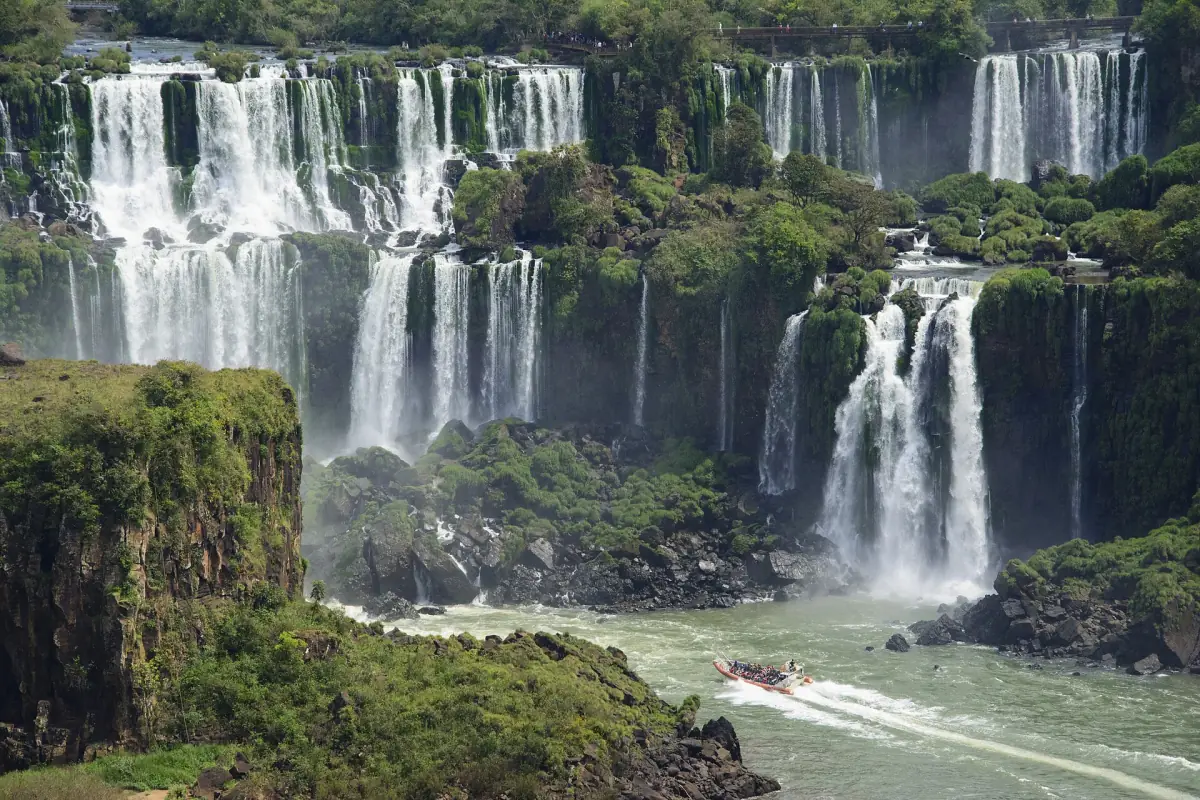
Brazilian falls and boat ride from Foz
Hotel transfer, national park entry and the boat ticket are included, with shared transport. Food and drinks are extra.
Check availability →
Full-day tour of the Argentine and Brazilian sides
Air-conditioned vehicle, multilingual guide, water and help buying tickets online. Both park entrances, the Argentine tourism tax, food and drinks are extra.
Check availability →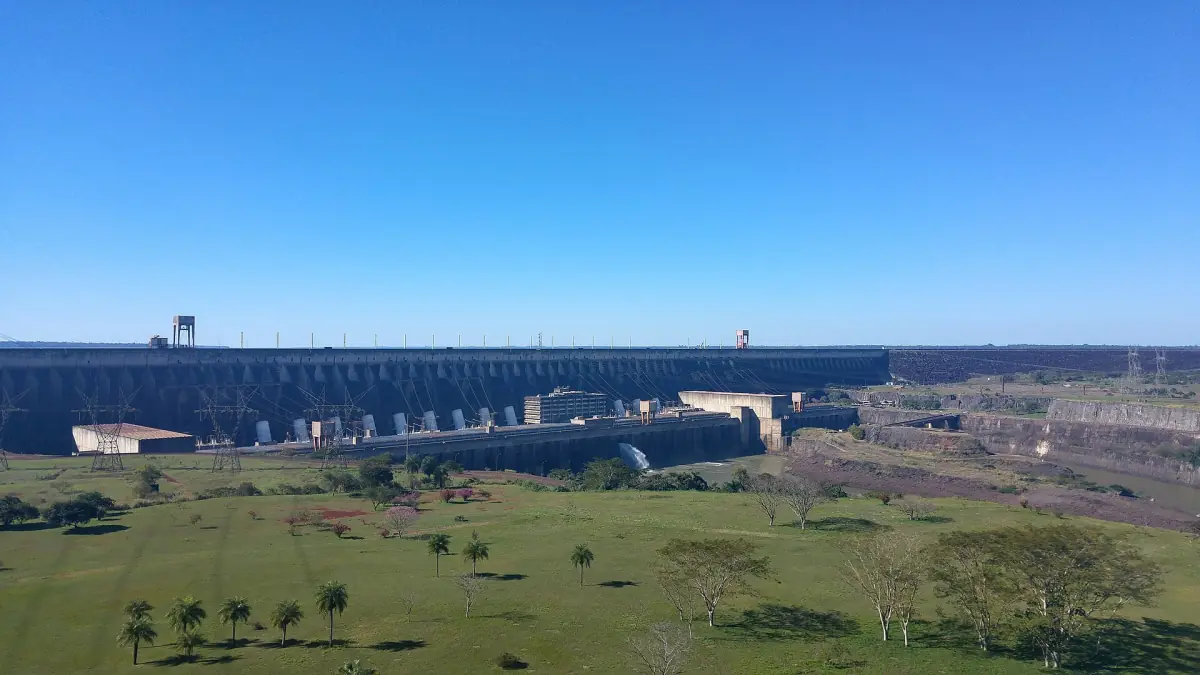
Itaipu Dam visit from Foz do Iguaçu
Hotel transfer, admission to the Itaipu panoramic visit and shared transport. Food and drinks are extra.
Check availability →Iguazu Falls tours and day trips
Boat rides, jungle truck rides, tours of both sides and trips to the sights around the falls, with live prices and availability.
Plan your visit
The main pages of this guide.
Iguazu Falls tours compared
Boat rides, jungle drives, evening walks and day trips, and what each one includes.
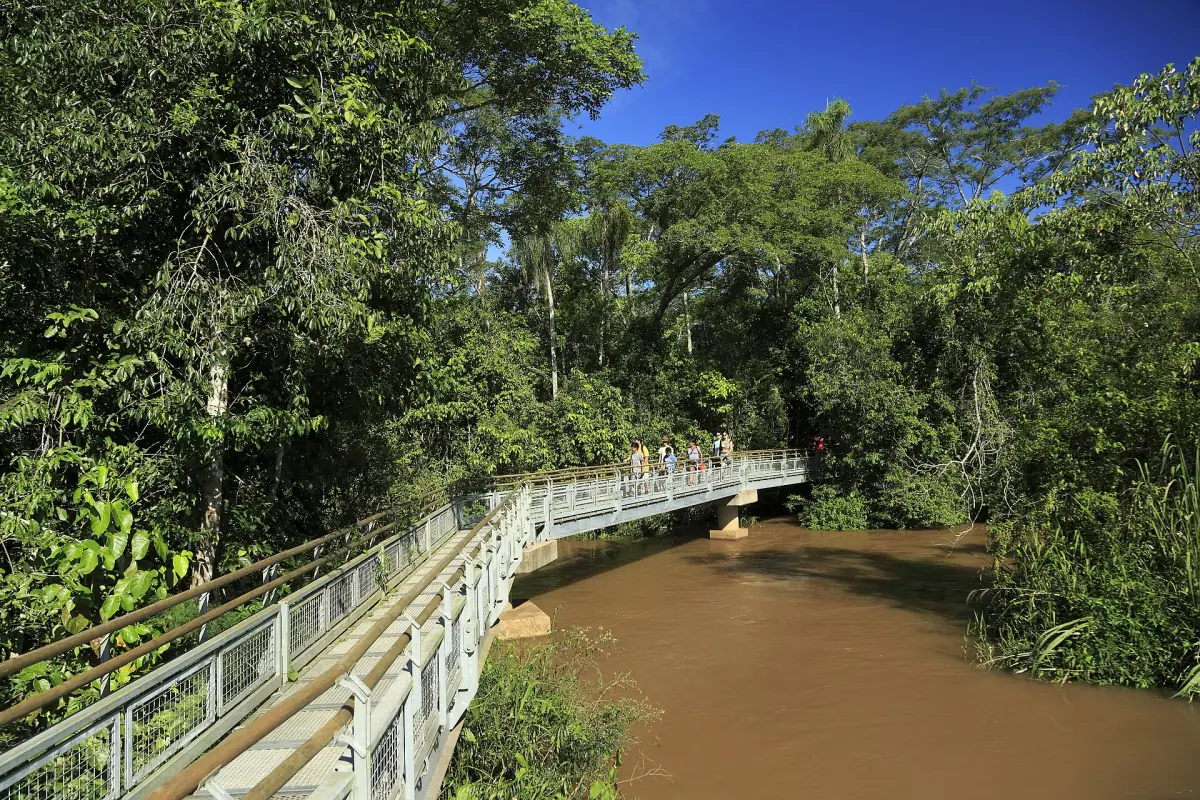
The Argentine side
Trails, the jungle train, opening hours and what is open now.
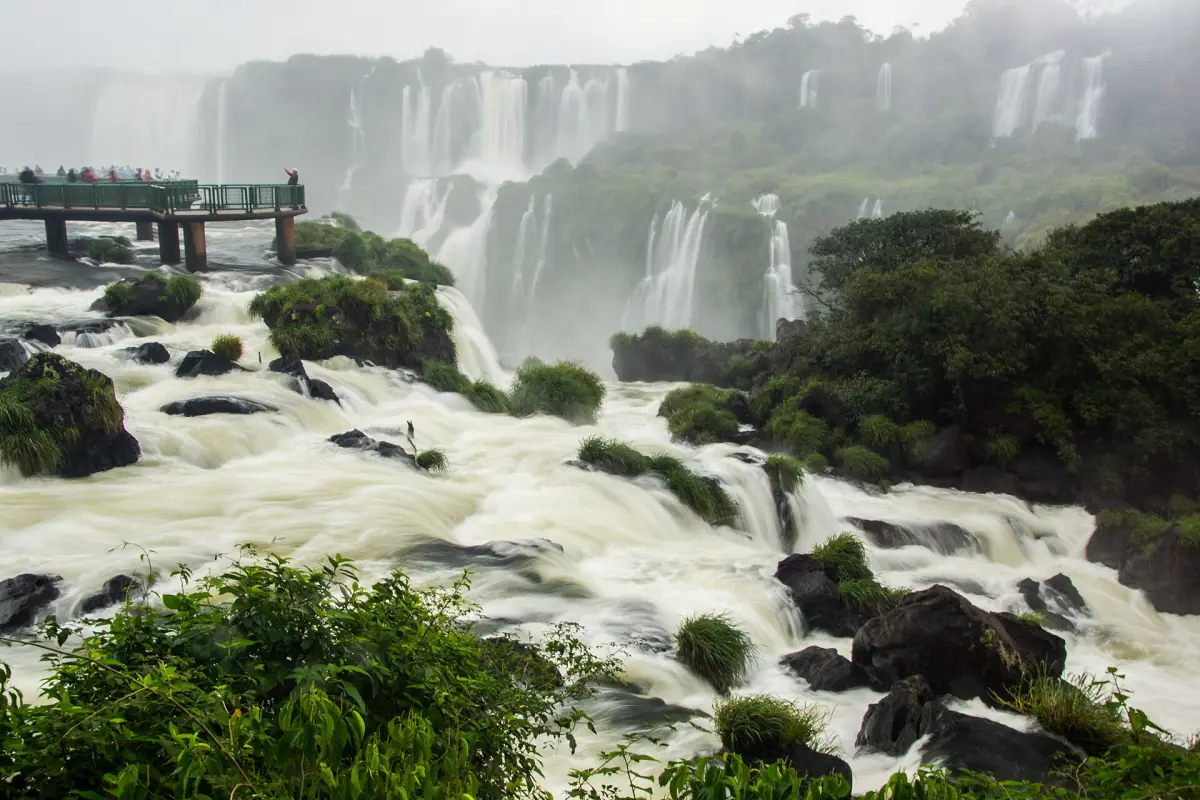
The Brazilian side
The panorama trail, tickets with a time slot and current closures.
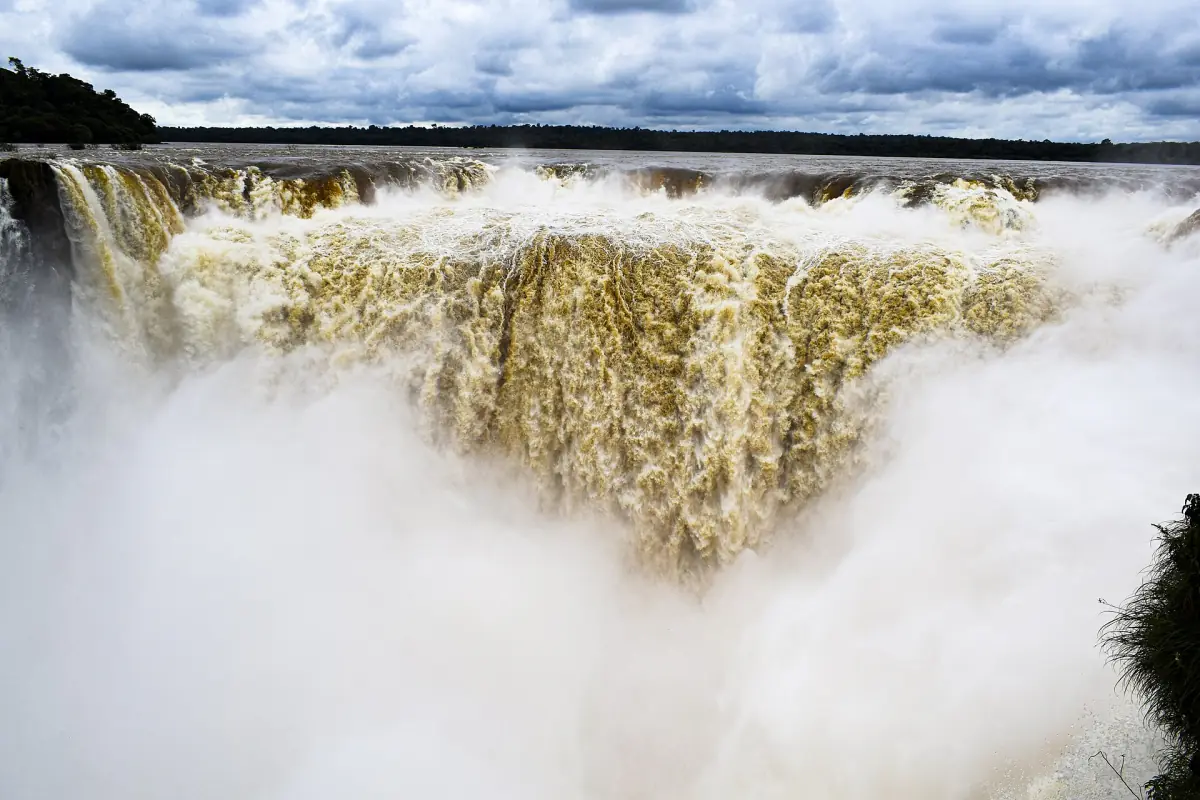
Devil's Throat
The Garganta del Diablo walkway and its status in 2026.
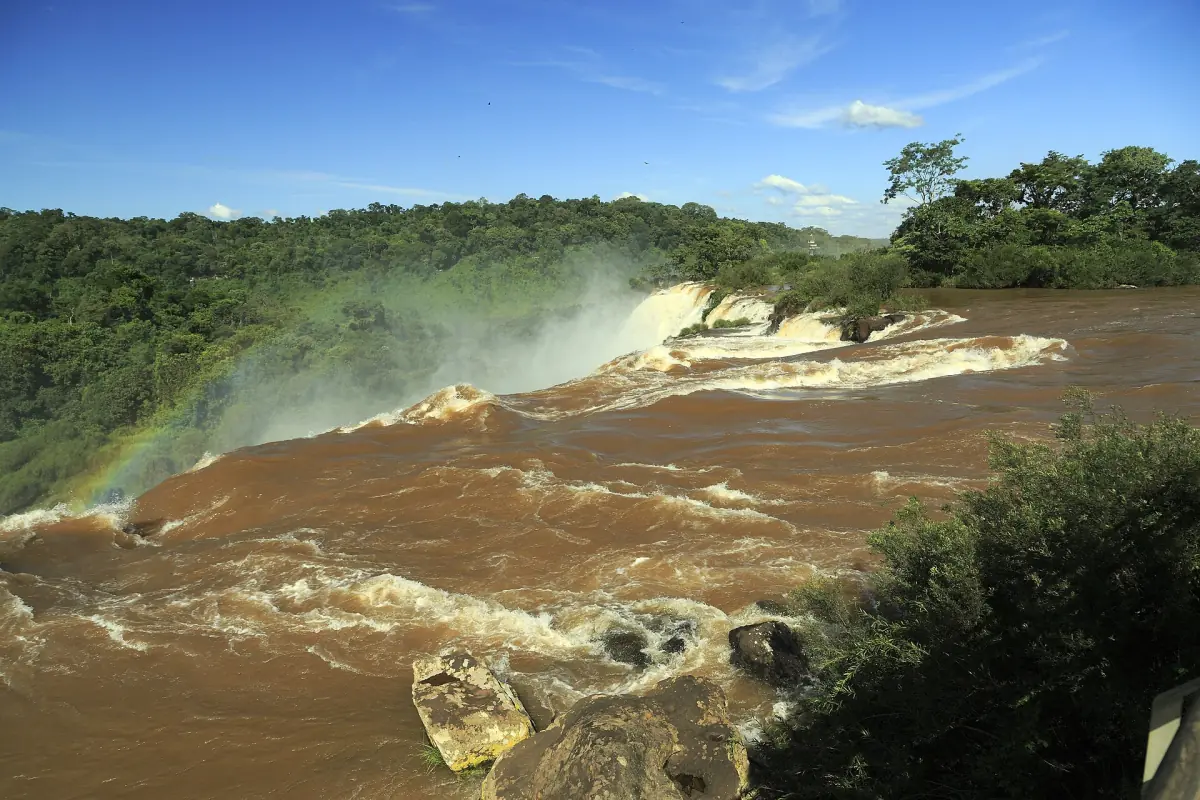
Tickets and entrance fees
Adult prices in ARS and BRL, second-day discount and what is not included.
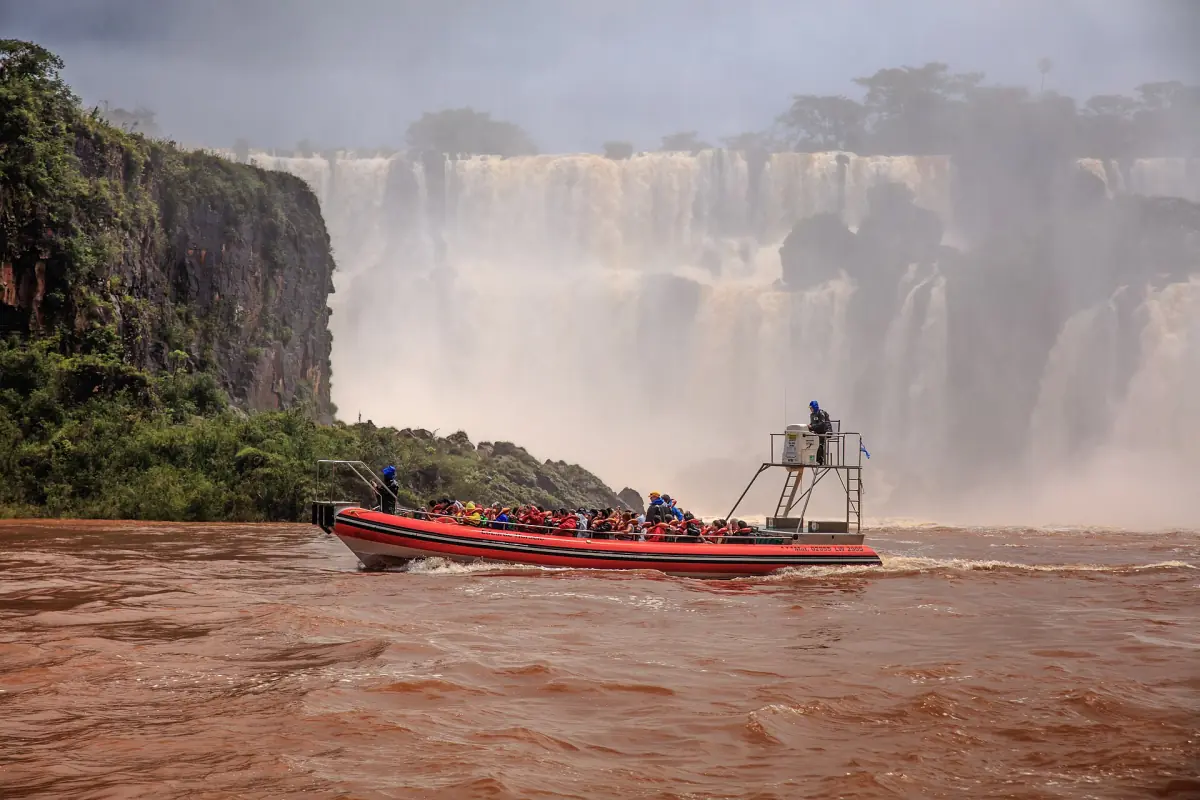
Boat tours
Argentine and Brazilian boat rides compared, with prices and age limits.
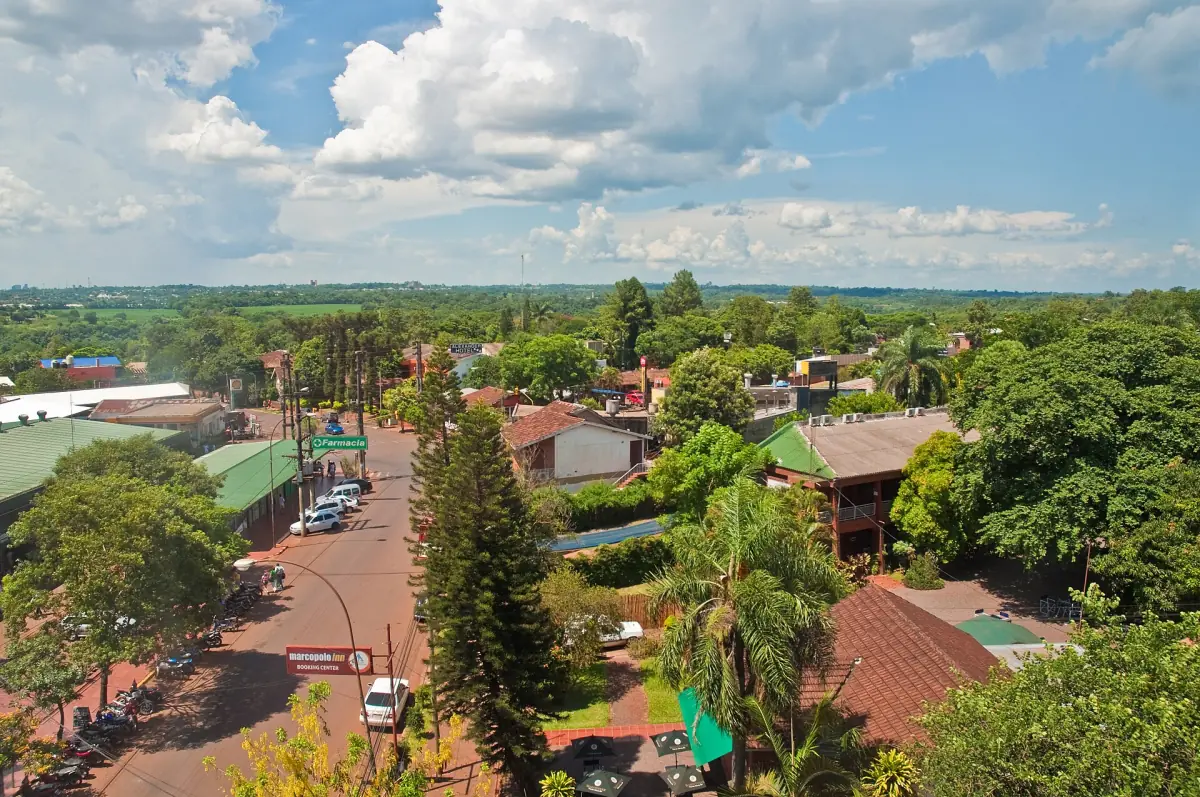
Puerto Iguazú
The Argentine base town, the triple border viewpoint and a wildlife center.

Foz do Iguaçu
The Brazilian base town and the sights around it.

Parque das Aves
A walk-through bird park next to the Brazilian park entrance.
Itaipú Dam
Visits on the Brazilian and Paraguayan sides.

From Buenos Aires
Flights, buses and the border crossing between the two sides.
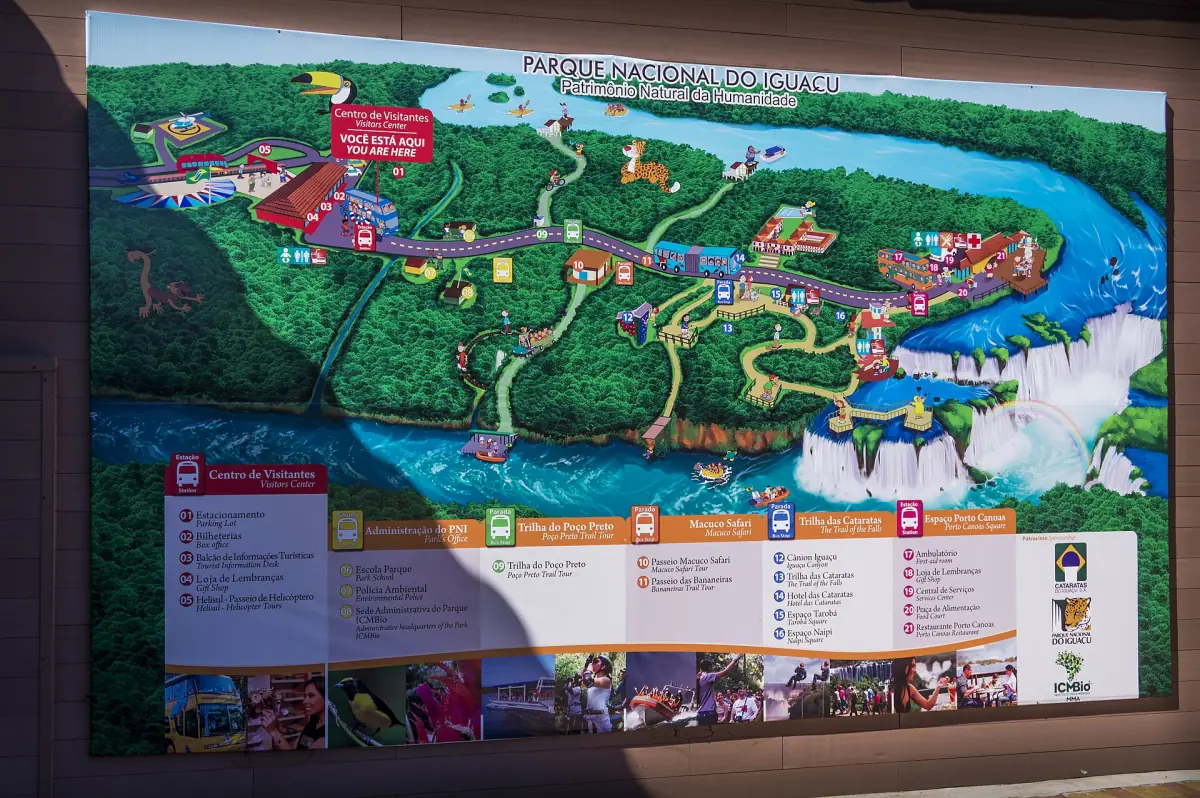
Iguazu Falls map
How the two parks fit together.
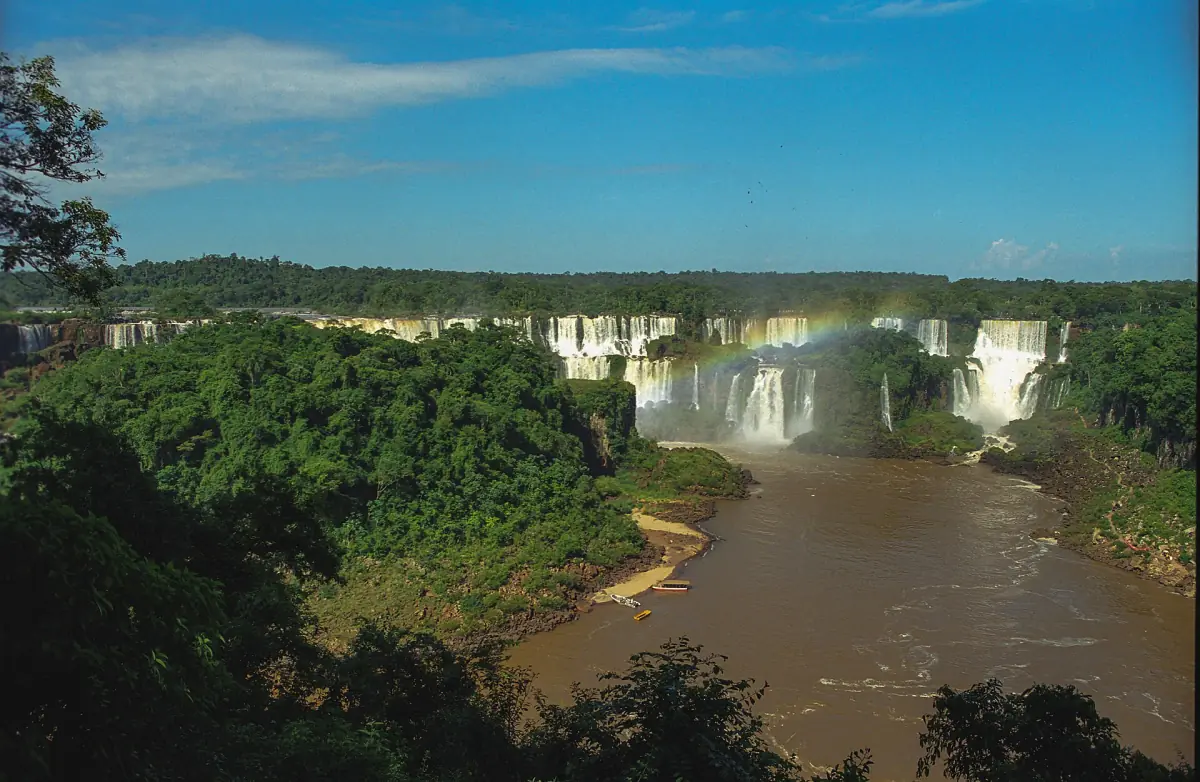
Best time to visit
Monthly temperatures and rainfall, and why water levels are hard to predict.
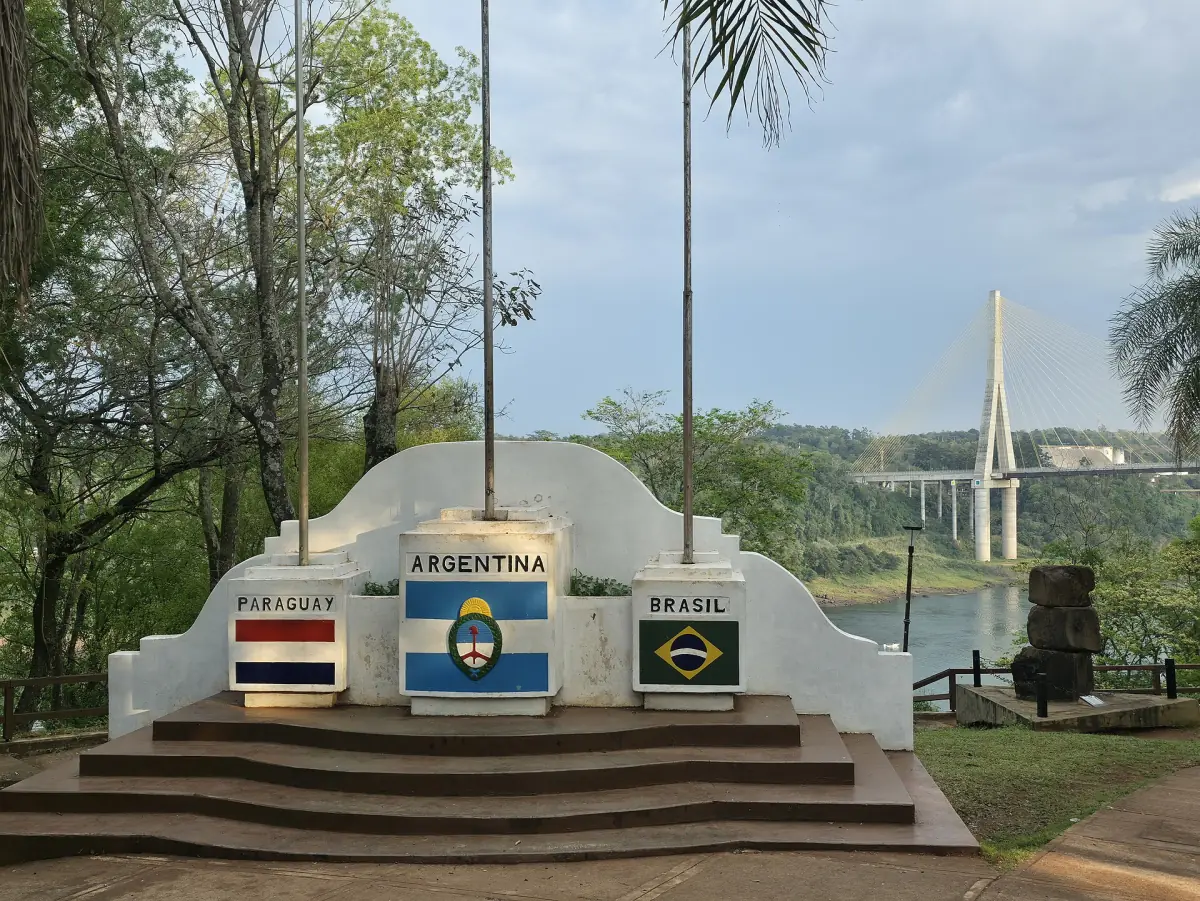
Where to stay
Inside the parks, in Puerto Iguazú or in Foz do Iguaçu.
What to know in autumn 2026
Operating notes that older guides do not have. Status as reported on the dates given; always check on the day.
Devil's Throat walkways are out
The Argentine walkways to the Garganta del Diablo were taken apart as a precaution in August 2026. On September 17, 2026 the park service said the other main trails stay open: Upper Circuit, Lower Circuit, Green Trail and Macuco. No reopening date has been announced.
Devil's Throat →Partial closures in Brazil
The Brazilian operator closed the river walkway on October 11, 2026 because of high flow, and on October 13 it removed the railings. The lower Naipi lookout is also closed, while the panorama trail was reported open. Reopening needs a technical inspection.
Brazilian side →Itaipú light show paused
The Paraguayan "Iluminación Monumental" had its last show on August 8, 2026 and is being modernized for about a year. Brazilian evening tours are advertised separately.
Itaipú Dam →Crossing between the two sides
Going from one park to the other means crossing a border.
The bridge
The crossing between Puerto Iguazú and Foz do Iguaçu is the Tancredo Neves International Bridge. Take your passport. Plan the crossing as its own part of the day, because no reliable border waiting times are published.
Visas
US citizens have needed a visa for Brazil again since April 10, 2025. German travelers need a passport, not an ID card, for Brazil and Argentina and can stay visa-free up to 90 days. Check the rules for your own passport.
Both sides in one day
It is possible to attempt but not promised by any timetable. Most visitors give each park its own day. The getting there guide covers flights, buses and the crossing.
Iguazu Falls: frequently asked questions
Which side of Iguazu Falls is better?
Neither is a clear winner. The Argentine side has several trails and a train and suits a full day. The Brazilian side has one panorama trail and a shorter visit. Many visitors see both, on separate days.
How much does it cost to enter?
In 2026 the adult price is 60,000 ARS on the Argentine side (from June 1, 2026) and 134 BRL on the Brazilian side. A second Argentine visit within 72 hours gets a 50 percent discount. The tickets page has the details.
Can I buy one ticket for both parks?
No standard combined ticket is on sale. The two parks are run separately, and a Brazilian ticket is valid only in the Brazilian park.
Is Devil's Throat open?
The Argentine walkways were taken apart in August 2026 as a precaution, and no reopening date is announced. Other main trails are open. Check the park's current notice before you travel.
When is the best time to visit?
Every month has rain in the long-term averages for the Iguazú airport weather station. August is the driest at about 84 mm, October the wettest at about 247 mm. Water levels depend on rain upstream and cannot be guaranteed. See best time to visit.
Is this the official park website?
No. This is an independent travel guide. It is not operated by the national parks, the concession holders, Itaipú or any tourism authority, and prices shown are those published by the operators at the time of writing.